Product Tips
A CRM for small sales teams that aren’t trying to run Salesforce theater
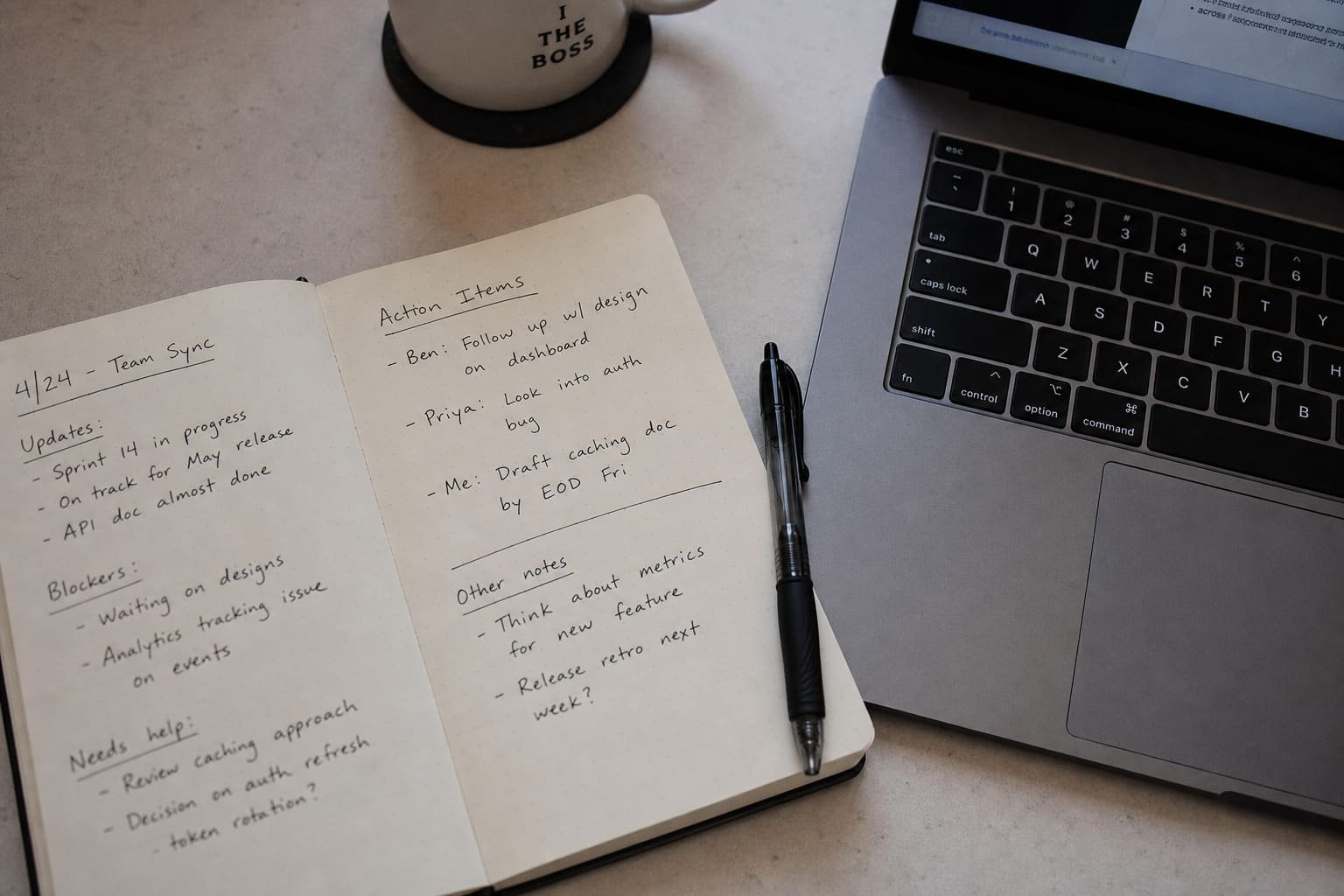
Small teams often buy CRM for the wrong reason: they want the dashboard their bigger competitor screenshots on LinkedIn. Then nobody updates stages, and six months later they’re back in the sheet, plus a license bill.
Start smaller. A CRM earns its keep when the next follow-up is obvious without a meeting.
Fields you’ll actually fill in
Company, contact, stage, next step, next date, deal size (even a rough one). That’s the core. Custom fields for “favorite coffee” can wait.
Stages should match how you sell, not a textbook funnel. If you only have four real steps, don’t invent seven.
Habits that matter more than features
Update the next step before you leave the call. Waiting until Friday is how deals go quiet.
One owner per opportunity. Shared ownership sounds collaborative; in practice it means nobody sends the email.
Review the pipeline weekly for 20 minutes. Kill stale deals. Celebrate moved stages. Don’t turn it into a two-hour forecast ritual.
When a sheet is still fine
Under ~20 active opportunities and one seller, a sheet can work. The tipping point is usually the second seller, or the first time someone leaves and takes the context with them.
That’s when WerkIQ CRM makes sense: shared pipeline, clear next steps, without forcing a methodology you don’t use. Use it as a memory for the team, not as a performance theater stage.
Sound like what your team is dealing with?
Happy to walk through how WerkIQ handles this in a short demo.
Request Demo